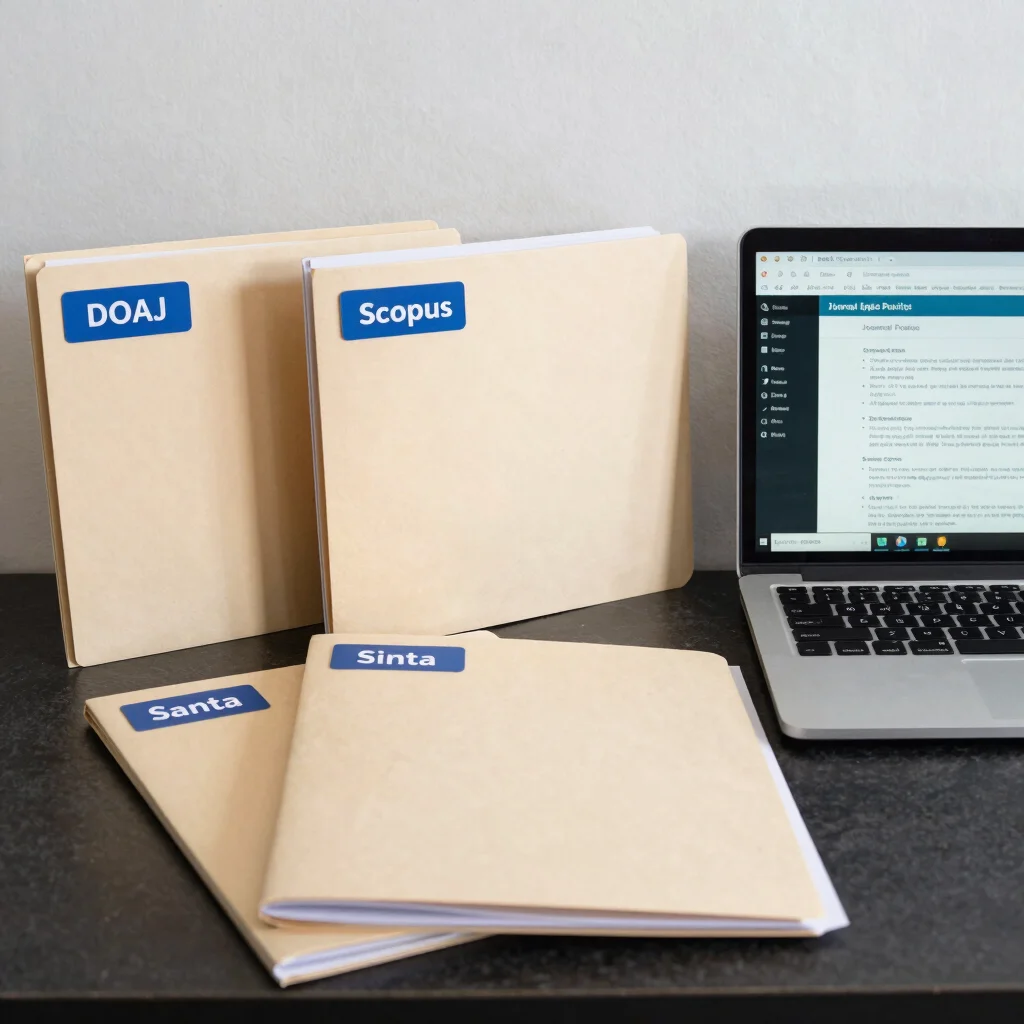
A journal team may use one website to support applications to DOAJ, Scopus, and Sinta, but the services do not apply one shared checklist. WordPress can make policies, issues, and article records easier to inspect; it cannot turn a sitemap submission into acceptance. Build the site so its evidence is clear, then follow the current instructions of each service.
Prepare transparent open-access records
For DOAJ, make the journal’s open-access model easy to verify on the site. Present its peer-review process, aims and scope, editorial team, publication ethics, licensing and copyright terms, and any author fees in clear, consistent pages. Confirm the current DOAJ application criteria before submitting, because a technically crawlable site is only one part of the evaluation.
Check that the stated policies match the article pages and published issues. For example, the license displayed on an article should align with the journal’s licensing policy, and the review description should reflect the actual editorial process. A general SEO plugin can help with page titles and sitemaps, but it does not supply this editorial evidence.
Treat Scopus as source evaluation
Scopus evaluates journals as sources through its own selection process; it is not a search-engine indexing request that WordPress can complete with metadata tags. Keep the journal’s scope, editorial governance, peer-review information, publication record, and article metadata consistent and publicly verifiable. Review Scopus’s current source-selection guidance and submission route rather than relying on third-party promises.
Check current Sinta requirements
For an Indonesian journal, Sinta belongs in the national research and journal-management context, with applicable requirements and processes that can change. Check the current Ministry or Sinta guidance for eligibility, accreditation, and the information the journal must provide. Make the journal identity, ISSN details, editorial information, and issue archive easy to verify, but do not assume that Google crawling or a sitemap submission completes Sinta’s process.
Keep a separate evidence file
Create a small evidence file for each service: the applicable official criteria, the relevant site pages, the responsible editor, and the date each requirement was checked. Keep technical tasks—public URLs, working sitemap, article metadata, and access settings—separate from editorial or eligibility decisions. This makes gaps visible without implying that the same changes will meet every service’s standards.

Leave a Reply